Peru REACH: Regulation Takes Effect and Platform Gets Presented
As readers know, Peru has become one of the four countries in Latin America to opt for a REACH-inspired chemical management system. The country adopted its current system over two instruments: the Comprehensive Chemical Substances Management Law (Legislative Decree 1570) and its implementing regulation (Supreme Decree 005-2026-MINAM).
In preparation for the entry into force of the implementing regulation in October, Peru’s Ministry of the Environment (MINAM) recently held an in-person workshop for public and private sector representatives on PERU REACH. At the event, MINAM presented the new digital platform for chemical substances management that will allow the government to move forward with chemical registration requirements.
Peru REACH: Who is impacted?
PERU REACH applies to manufacturers, importers, distributors, transporters, and downstream users of chemical substances. Many regulated products like pharmaceuticals, agricultural inputs, food and feed, cosmetics, and medical devices are exempt. Sustances in articles are exempt if not released under normal conditions of use. Natural substances such as minerals, crude oil, and natural gas are excluded only if unmodified, with limits for complex UVCB substances.
Dual Agencies Create Complexity
Substances already under sanitary authorization requirements, such as cleaners, follow classification, labeling, and safety data sheet (SDS) rules through the Ministry of Health (MINSA). All other substances above the volume threshold (to be announced in late 2026) will need to be notified to MINAM before commercialization.
GHS and Notification
Peru combines a REACH-style notification model with full implementation of GHS Revision 6 (2015). Classifications from reference jurisdictions, including the EU, United States, Canada, United Kingdom, and Japan, may be used. The Anticipated Classification List (LCA) is the minimum baseline, and manufacturers and importers remain responsible for reflecting any data showing a more severe hazard.
The volume threshold for notification will be set by later Supreme Decree and has not been published. Hazard classification, labeling, and SDS obligations do not depend on it. From 2032, they also apply to substances below the threshold.
Notification deadlines are staggered:
- September 2028: substances classified as listed in the LCA.
- September 2029: substances with a different classification.
- September 2030: hazardous substances not in the LCA.
- September 2031: non-hazardous substances.
RENASQ Reporting
Annual quantity reporting to the National Registry of Chemical Substances (RENASQ) is separate from notification. It covers hazardous substances only and follows one year behind each notification deadline. A voluntary trial period runs through 2028. Substances already under MINSA sanitary registration are supposed to be loaded into RENASQ by registry interoperability, with no separate industry report required.
Beyond Reporting
A national inventory is expected around 2031. Prioritized substances will then require risk assessments prepared by manufacturers and importers, as in Chile and Colombia, and before commercialization for new substances. Outcomes range from added communication duties to restrictions or bans. The regulation also sets an inspection and sanctions regime.
Foreign Representative
The Foreign Exclusive Representative (REE) follows the Colombian model, and lets foreign manufacturers submit confidential business information directly to the authority without disclosing it to the local importer. The importer remains responsible for compliance. It is not an only representative mechanism.
Key Takeaway
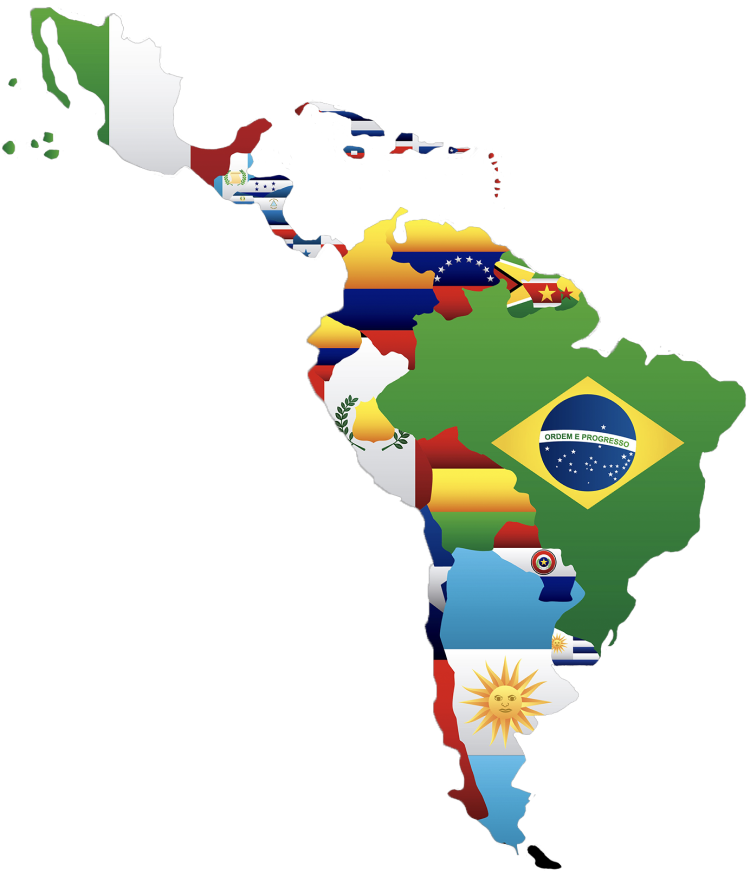
The workshop is just one more indication that Peru is moving forward as planned with full implementation of its new chemical egulatory system. MINAM said the workshop stressed information exchange with MINSA, the Ministry of Production, and the customs and tax authority (SUNAT) on monitoring and enforcement. Peru joins Chile, Colombia, and Brazil in the region’s REACH-inspired group.
Don’t wait: Companies should map substances against the LCA now to identify their potential compliance deadline.
Brazil: New National Reverse Logistics System and Recycled Content Traceability Rules
Latin America is betting on the Circular Economy. Some countries, like Brazil, have had a circular model baked into their modern waste law for going on 20 years. Now, the country has created the National Reverse Logistics System (SISREV-BR), a module of the National Solid Waste Management Information System (SINIR), through Portaria GM/MMA 1.778/2026. The new rule even regulates provisions of Decree 12,688/2025 on recycled content in plastic packaging. Industry should take note.
What Is It?
SISREV-BR is a free federal platform, coordinated by the Ministry of Environment and Climate Change (MMA), for registering reverse logistics systems, filing annual results reports, and supporting enforcement. Systems register between January 1 and May 31 each year, and reports are due by July 30 for the prior calendar year. Report content is treated as environmental information, so commercial secrecy generally cannot be invoked.
The Portaria setting up SISREV also sets traceability rules for recycled content in plastic packaging. Rates are to be verified preferably through an MMA-enabled traceability platform that tracks recycled input by supplier, material, invoice, and geolocation. Only post-consumer material counts, and credits or credit certificates are prohibited.
Who Does It Apply To?
Collective systems run by managing entities and individual systems run by manufacturers, importers, distributors, and retailers, across the product categories already covered by EPR requirements. For imports on behalf of or by order of a third party, the acquirer or ordering party is responsible.
The recycled content rules apply to plastic packaging obligations under Decree 12.688/2025. Importers must support declarations with a certification from a recognized foreign or global body or from an enabled Brazilian platform. Recycled waste of foreign origin cannot count toward national manufacturers’ targets.
Key Takeaway
Reporting, verification, and recycled content claims now run through one government system with invoice-level data. Duplicate invoices between verifiers are disregarded after 30 days without agreement. Companies with plastic packaging obligations face physical traceability, a post-consumer-only rule, and no credit market. Importers face a separate certification route. The MMA operating manual and the list of enabled platforms are the next items to watch.
Links:
Portaria GM/MMA 1,778/2026,: https://www.in.gov.br/web/dou/-/portaria-gm/mma-n-1.778-de-16-de-setembro-de-2026-732885596
EPR for Luricant Oil: Back to the Drawing Board
As reported, Chile’s environmental court earlier this year annulled the extended producer responsibility (EPR) decrees for used lubrican oils on the basis that they effectively barred individual management plans and let distributors valorize used oil. Now, the Ministry of Environment has published a resolution formalizing the annulment of Supreme Decree 47/2023.
Rulemaking Reset
The procedure returns to the stage of drafting a new decree proposal. Earlier steps remain valid, and their records may be reused. For now, we have no announced timeline for the next steps in development of the replacement ddecree.
Implementing Acts Revoked
Three acts issued under the annulled decree are revoked. Exempt Resolution 3,347/2025 covered the compliance cost calculation and the guarantee required of collective systems. Exempt Resolution 3,348/2025 was the guide for management plan contents. Circular Official Letter 2/2025 interpreted the role of marketers.
Key Takeaway
Producers, importers, and marketers of lubricants now have no target decree and no guarantee or management plan instruments. We will need to await the government’s next move in re-building this system. And let’s not overlook the power of litigation: the lawsuit by part of industry resulted in the repeal of an enacted decree and its implementing infrastructure. The environmental tribunal emerges as one more arrow in industry’s quiver.
Link:
Publicación del Jueves 24 de Septiembre de 2026
Want this delivered weekly? Subscribe to Around Latin America on LinkedIn to get each edition straight to your inbox. Miss an edition? Check out the word searchable repository: www.ambientelegal.com/blog
Tracking Brazil’s new chemical management law? Visit www.BrazilREACH.comfor plain-English guidance on Law 15.022/2024, including what an Only Representative structure means in practice.
Questions about how any of this applies to your business? Reach out directly at mowen@ambientelegal.comto talk about how we can help your business succeed in Latin America.
This site provides general information based on publicly available sources and is not legal advice.
© 2026. All rights reserved. This publication is protected by copyright and monitored by AI-powered content tracking systems. Unauthorized use, reproduction, or distribution is strictly prohibited.
